Some thoughts of two citizen observers ... not very scientific:
The three "milkweed butterflies", the Monarch (Danaus plexippus), the slightly smaller and darker
Queen (Danaus gilippus), and the deep South Texas Soldier (Danaus eresimus), depend on the
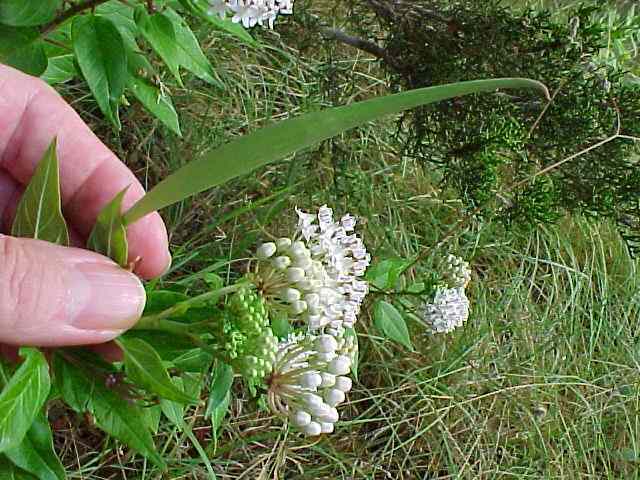
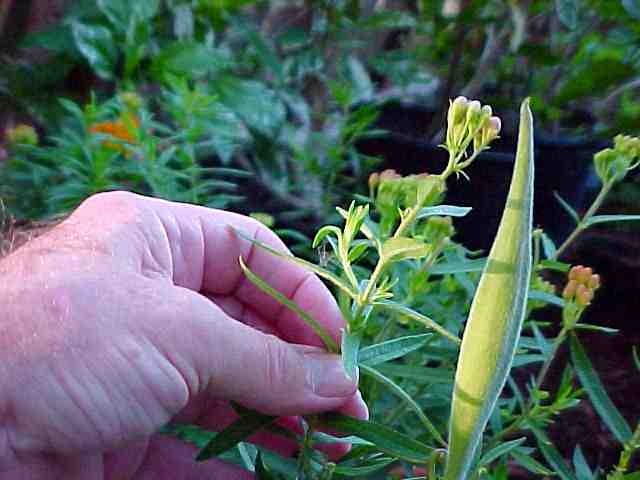
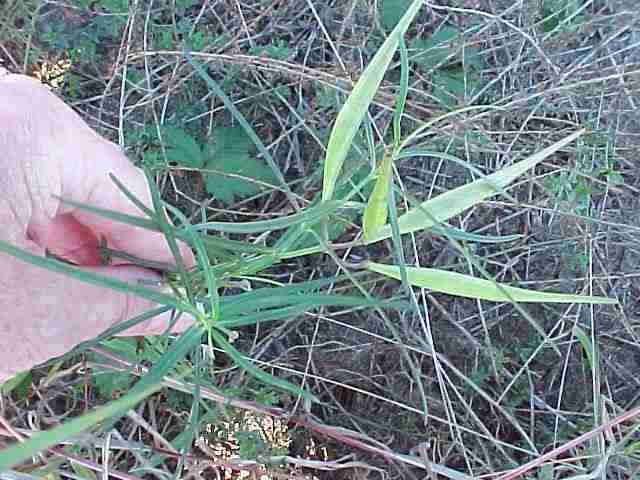
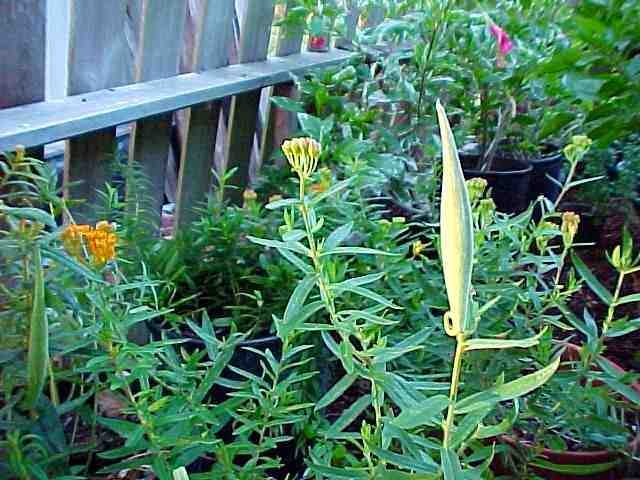
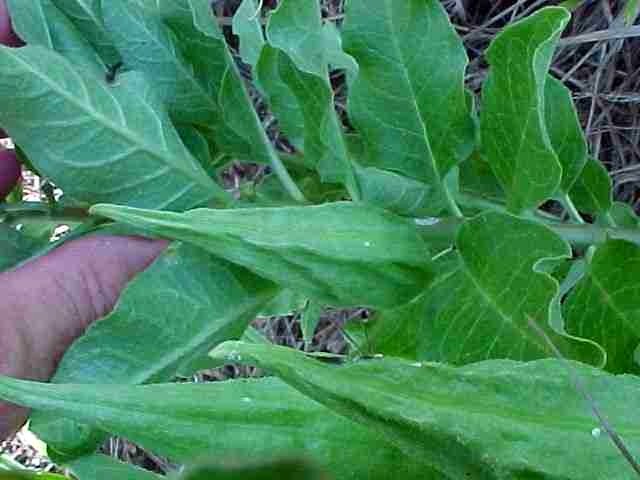
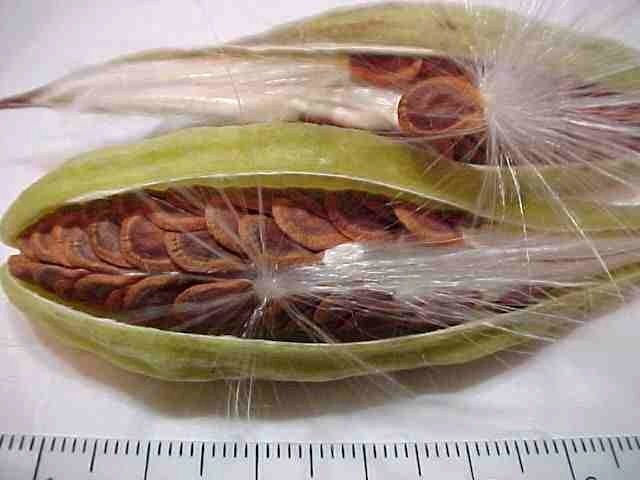
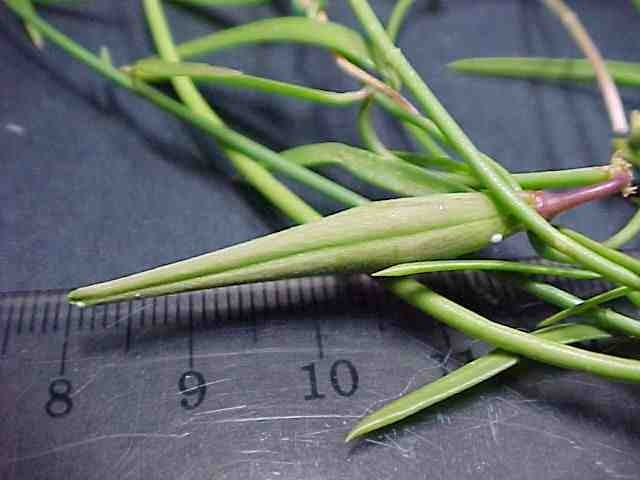
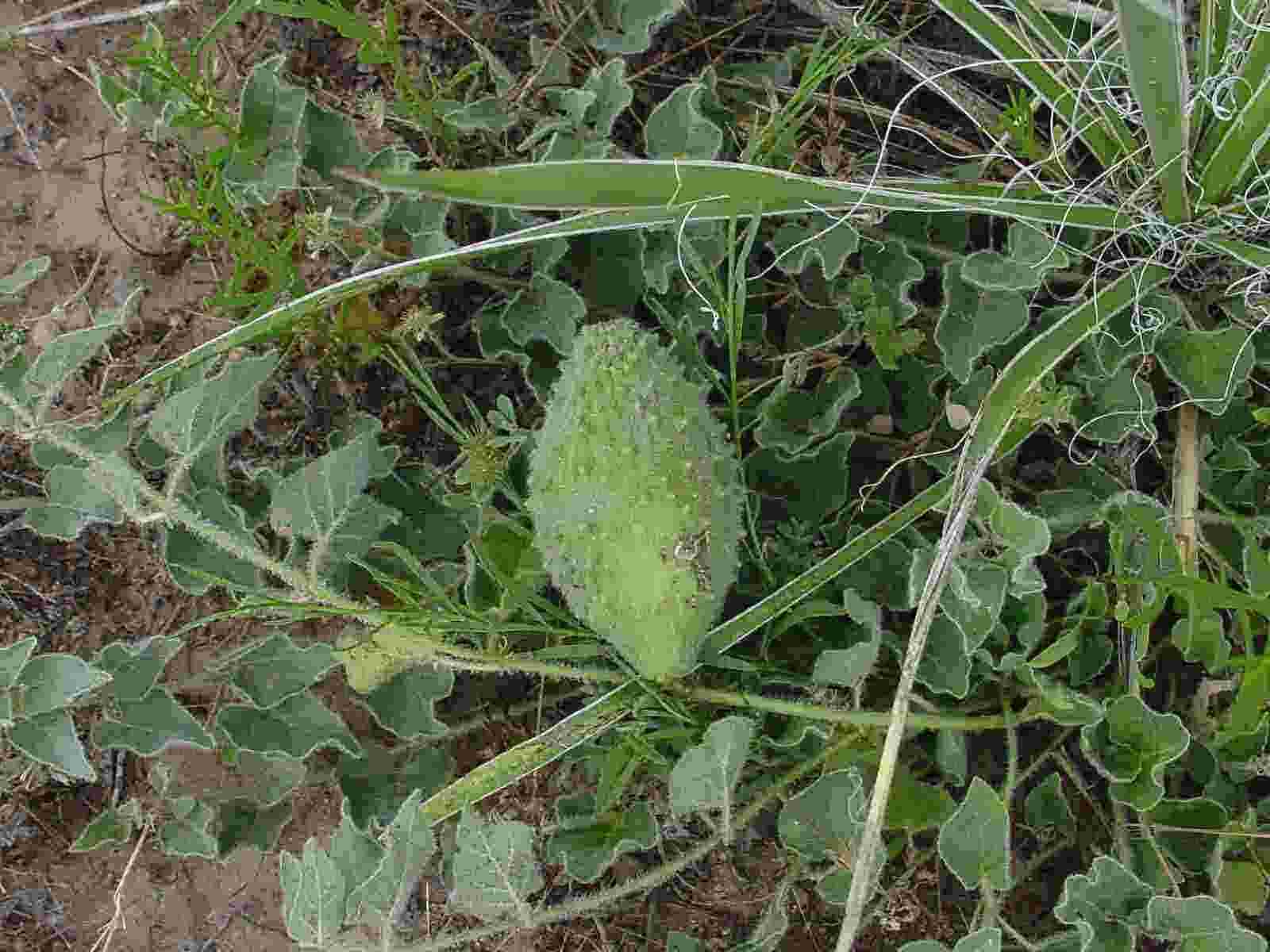
approximately forty milkweed and milkvine species (Asclepiadaceae) across Texas as the food source
for their larvae. Being interested in Monarchs in Texas means one may eventually need to find and
identity milkweeds native to Texas. Many of the returning Monarch females will seek out milkweeds
as they fly north from Mexico thru Texas in March and April. Of all the milkweeds we have observed
since 1998, asperula and viridis appear most ready to play host to the Monarchs as early as the
last week of February. There are miles upon miles of viridis, closer to the coast, and asperula,
inland through Central Texas, that we have seen awaiting the annual northbound migration of the
Monarchs. We have seen hundreds of Monarchs around, over, and on just a few square miles of
asperula in South-central Texas in April. We have seen Monarchs visit, Monarch eggs or larvae
on asperula, linearis, oenotheroides, perennis, tuberosa, verticillata, and of course viridis.
We were thrilled in April 2002 when our students showed us the way to hundreds of acres of
bluebonnets and asperula in pastures being visited by hundreds of Monarch males and females.
When the heat arrives, the asperula and viridis seem to "toughen" and other, more sparse, species
of milkweed (and possibly even some of the milkvines) might serve as hosts for the few monarchs that
"stick around" thru late June, July and August, especially in the coastal areas. If the rains are right,
there is new growth of asperula and viridis (and other milkweeds) that serve as hosts for some of
the fall monarchs (October and November) migrating south that are not in diapause or have "switched
back on", mated, and are looking for suitable milkweed to deposit eggs on. There is an overwintering
population along the Texas Gulf Coast that may be the next generation that lose their "desire" to
migrate farther southward in late November and "hang around" until late February and March. From
early December to mid February, little, if any, native wild milkweeds can be found. Harlen and Altus
migration, monarch and milkweed biology, esp. the rather complex flower structure of milkweeds.